
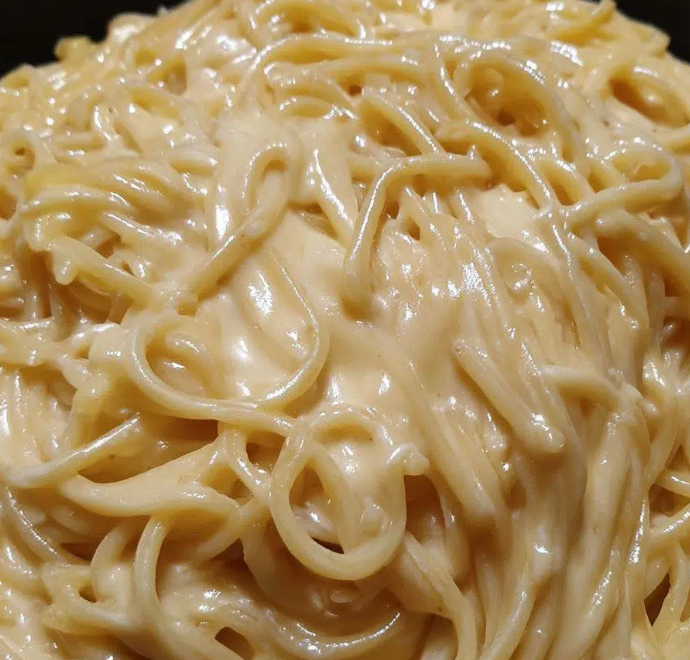
Why You’ll Love This Recipe
- Quick preparation: Ready in approximately 25 minutes.
- Simple ingredients: Butter, cream, garlic, and Parmesan create the sauce.
- Flexible pasta choices: Works with long noodles or short shapes.
- Easy customization: Add cooked protein or vegetables.
- Adjustable consistency: Reserved pasta water keeps the sauce smooth and flowing.
Ingredients You’ll Need
Pasta
Use 12 ounces of dried pasta for the sauce quantities in this recipe.
Fettuccine, penne, and spaghetti all work well. Twelve ounces gives a generously coated result; using a full pound produces a lighter coating and may require additional pasta water.
Cook according to the package directions until al dente.
Heavy Cream
Use 1 cup heavy cream.
It provides the sauce’s rich texture and thickens slightly as it simmers. Milk is not a direct substitute because it contains less fat and produces a thinner sauce.
Butter
Use ¼ cup butter, equal to 4 tablespoons.
Unsalted butter gives you more control over seasoning, especially because Parmesan contributes salt.
Garlic
Use two garlic cloves, minced.
Cook briefly until fragrant. Avoid browning the garlic, which can give the sauce a bitter taste.
Parmesan Cheese
Use 1 cup finely grated Parmesan cheese.
Freshly grated Parmesan generally melts more smoothly than coarse shreds or shelf-stable grated cheese. Add gradually over very low heat or off the heat.
Salt and Black Pepper
Season to taste after adding the Parmesan. The cheese and salted pasta water may supply much of the salt needed.
Reserved Pasta Water
Save 1 cup of pasta cooking water before draining.
You probably will not use all of it. Add small splashes until the sauce coats the pasta evenly.
Parsley
Chopped fresh parsley is an optional garnish that adds color and a fresh finish.
How to Make Creamy Garlic Parmesan Pasta
1. Cook the Pasta
Bring a large pot of water to a boil and salt it moderately.
Add the pasta and cook until al dente according to its package directions. Before draining, reserve 1 cup of cooking water.
Do not rinse the pasta.
2. Cook the Garlic
While the pasta cooks, melt the butter in a large skillet over medium-low heat.
Add the minced garlic and cook for approximately 30–60 seconds, stirring, until fragrant but not browned.
3. Add the Cream
Pour in the heavy cream and stir.
Bring to a gentle simmer and cook for 2–4 minutes, stirring occasionally, until slightly thickened. Avoid reducing it into a very thick sauce.
4. Melt in the Parmesan
Reduce the heat to very low or remove the skillet from the heat.
Add the Parmesan a little at a time, stirring until melted before adding more.
If needed, stir in a small splash of warm pasta water to loosen the mixture.
5. Toss with the Pasta
Add the drained pasta and toss gently until evenly coated.
Add reserved pasta water a tablespoon or two at a time until the sauce is silky and easy to toss. Warm briefly over low heat if needed, without boiling.
6. Season and Serve
Taste and add salt and black pepper as needed.
Serve immediately with optional parsley and a little extra Parmesan.
Tips for the Best Results
Grate the Cheese Finely
Fine Parmesan incorporates more readily and is less likely to leave large clumps.
Use Gentle Heat
High heat can cause the cheese to clump or release oil. Let the cream stop bubbling vigorously before adding Parmesan.
Save the Pasta Water
The starchy water helps adjust the sauce without making it taste diluted as quickly as plain water would.
Keep the Sauce Slightly Loose
Pasta continues absorbing liquid after tossing. A sauce that looks perfect in the skillet may thicken considerably on the plate.
Avoid Overcooking the Pasta
Al dente pasta holds its texture during the final toss in the warm sauce.
Serve Promptly
Creamy Parmesan pasta is smoothest and easiest to serve immediately after preparation.
Easy Variations
Creamy Chicken Pasta
Fold in sliced cooked chicken when adding the pasta. Warm gently until hot throughout.
Garlic Parmesan Shrimp Pasta
Cook shrimp separately and add just before serving so they do not become tough.
Mushroom Pasta
Sauté sliced mushrooms until browned and their moisture has evaporated, then incorporate them into the finished dish.
Spinach Parmesan Pasta
Add a few handfuls of baby spinach during the final toss and stir until wilted.
Broccoli Pasta
Add small broccoli florets to the pasta pot during the final few minutes of cooking, then drain together.
Spicy Garlic Cream Pasta
Add a pinch of red pepper flakes with the garlic.
What to Serve with Creamy Parmesan Pasta
A crisp green salad with a tangy dressing balances the rich sauce. Roasted asparagus, green beans, or broccoli also make simple sides.
For a larger meal, pair the pasta with grilled chicken or baked fish. Garlic bread is another option if you want something to catch the remaining sauce.
Make-Ahead Tips
Grate the Parmesan, mince the garlic, and measure the cream before cooking.
The finished dish is best made close to serving time because the pasta absorbs sauce as it sits. If preparing other parts of dinner, have them nearly ready before tossing the pasta.
Storage and Reheating
Refrigerate leftovers promptly in an airtight container for up to 3–4 days.
Reheat gently in a skillet over low heat with a splash of milk, cream, or water. Stir frequently until hot throughout.
For microwave reheating, use short intervals and stir between them. Avoid overheating, which can make the sauce separate.
Freezing is less suitable because the cream sauce may become grainy and the pasta can soften after thawing.
Frequently Asked Questions
How much pasta should I use?
Use 12 ounces for a generous coating with this amount of sauce. A full pound works for a lighter coating, with additional pasta water as needed.
Can I use half-and-half?
It makes a lighter, thinner sauce and should be heated gently. Heavy cream gives the richest and most consistent result for this recipe.
Why is my sauce grainy?
The cheese may have been added over high heat, or it may not have melted evenly. Use finely grated Parmesan and add it gradually to a gently heated sauce.
Why did the sauce become too thick?
The cream may have reduced too much, or the pasta may have absorbed the available liquid. Add reserved pasta water gradually while tossing.
Can I use another cheese?
Other cheeses change the flavor and melting behavior. Parmesan is the best choice for the sauce described here.
Do I need flour?
No. The cream, melted cheese, and a little starchy pasta water create the sauce without a roux.